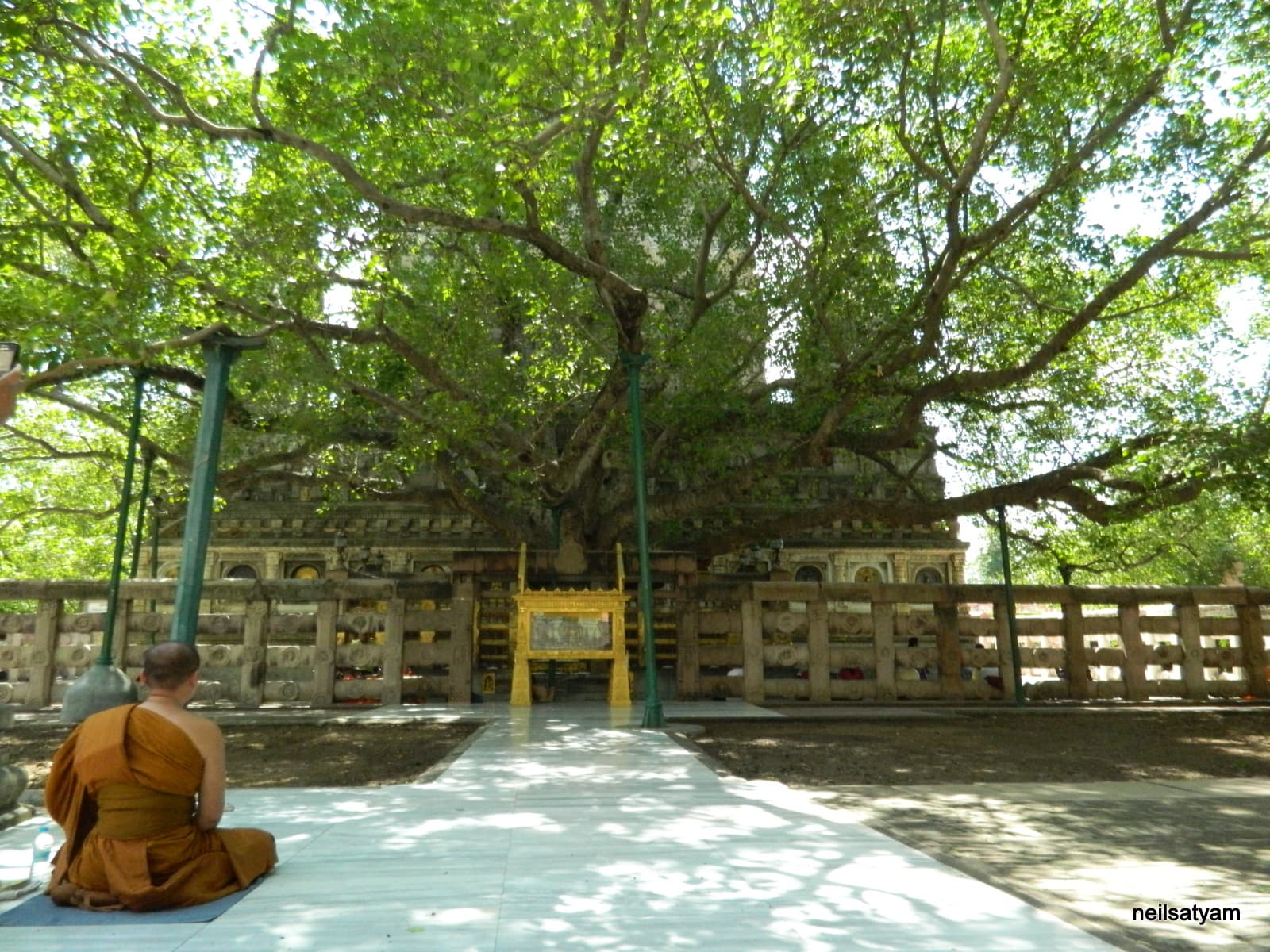
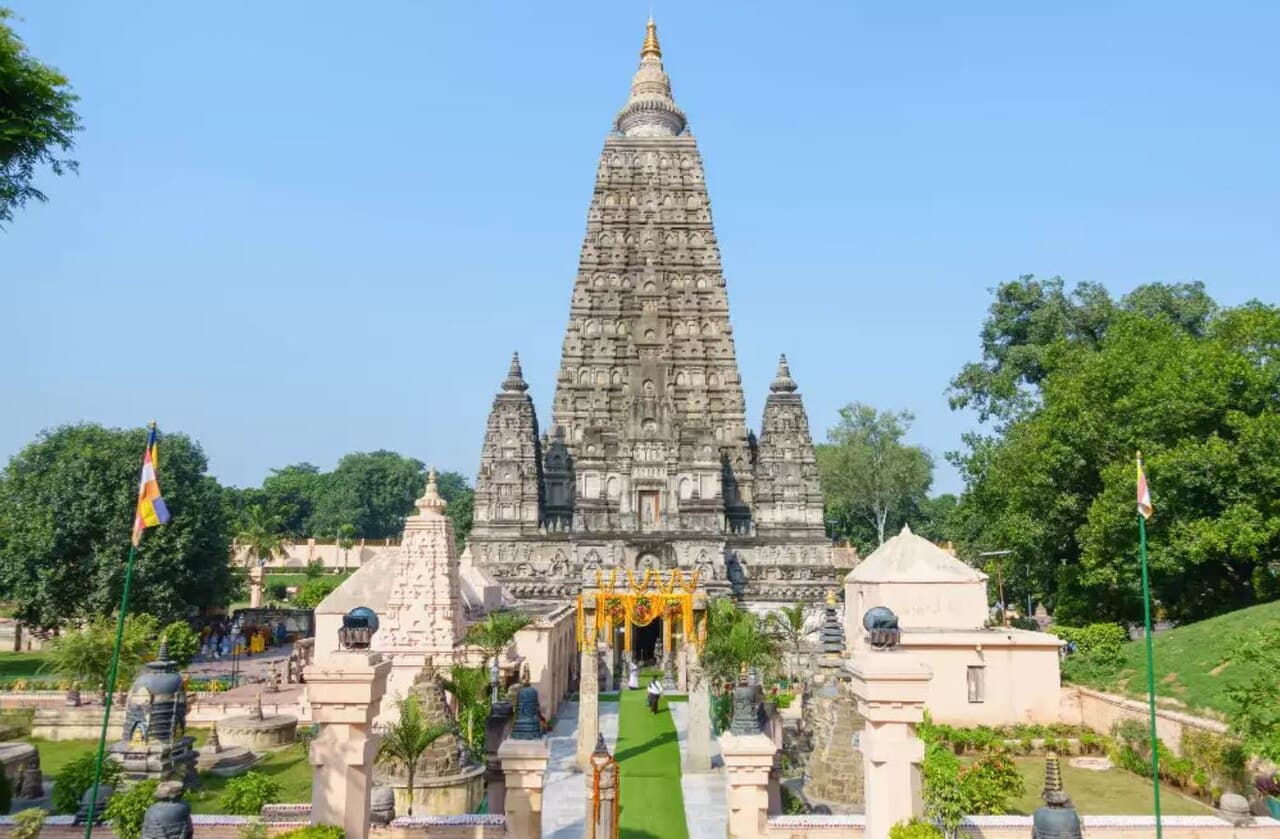
Bihar is a land historically associated with peace and non-violence and has long been a confluence of diverse religions and cultures. It is the sacred land where Gautama Buddha attained enlightenment at Bodh Gaya and where Mahavira propagated the message of non-violence (Ahimsa). The state is also the birthplace of Guru Gobind Singh, the tenth Sikh Guru.
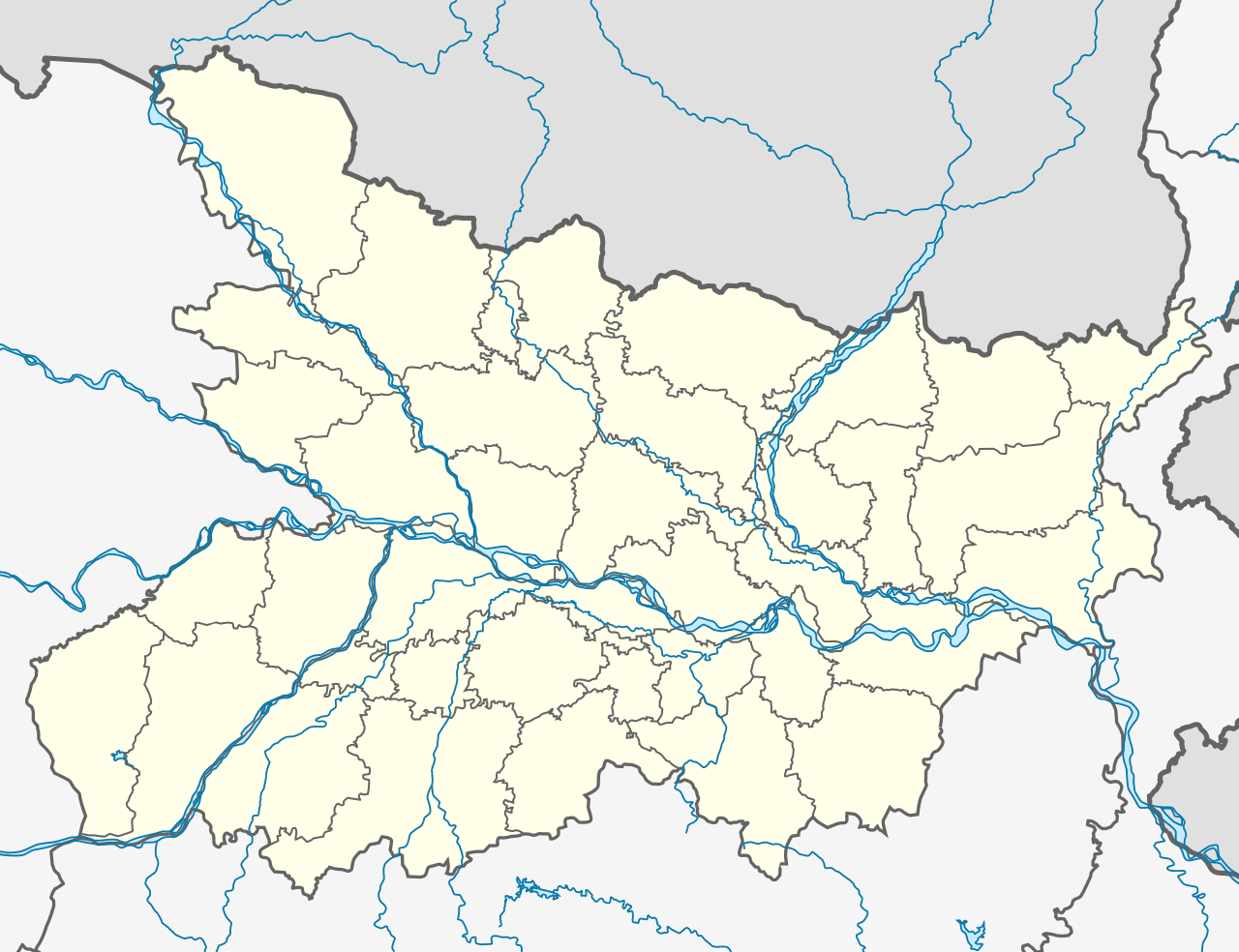
The capital city of Bihar is Patna, historically known as Pataliputra, which was once a prominent center of political and cultural activity in ancient India. Bihar was formally established as a separate province on March 22, 1912, after its separation from the Bengal Presidency.
Linguistically, the state is rich and diverse, with Maithili, Bhojpuri, Magahi, and Angika widely spoken across different regions. Hindi serves as the official language of the state.
Among its prominent cultural traditions is the festival of Chhath, a significant public celebration in which devotees offer prayers to the rising and setting sun. Bihar is also globally renowned for Madhubani painting, a traditional art form originating from the Mithila region.
The state has been home to several eminent personalities, including Rajendra Prasad, the first President of India and a recipient of the Bharat Ratna, and Ramdhari Singh Dinkar, a distinguished national poet.
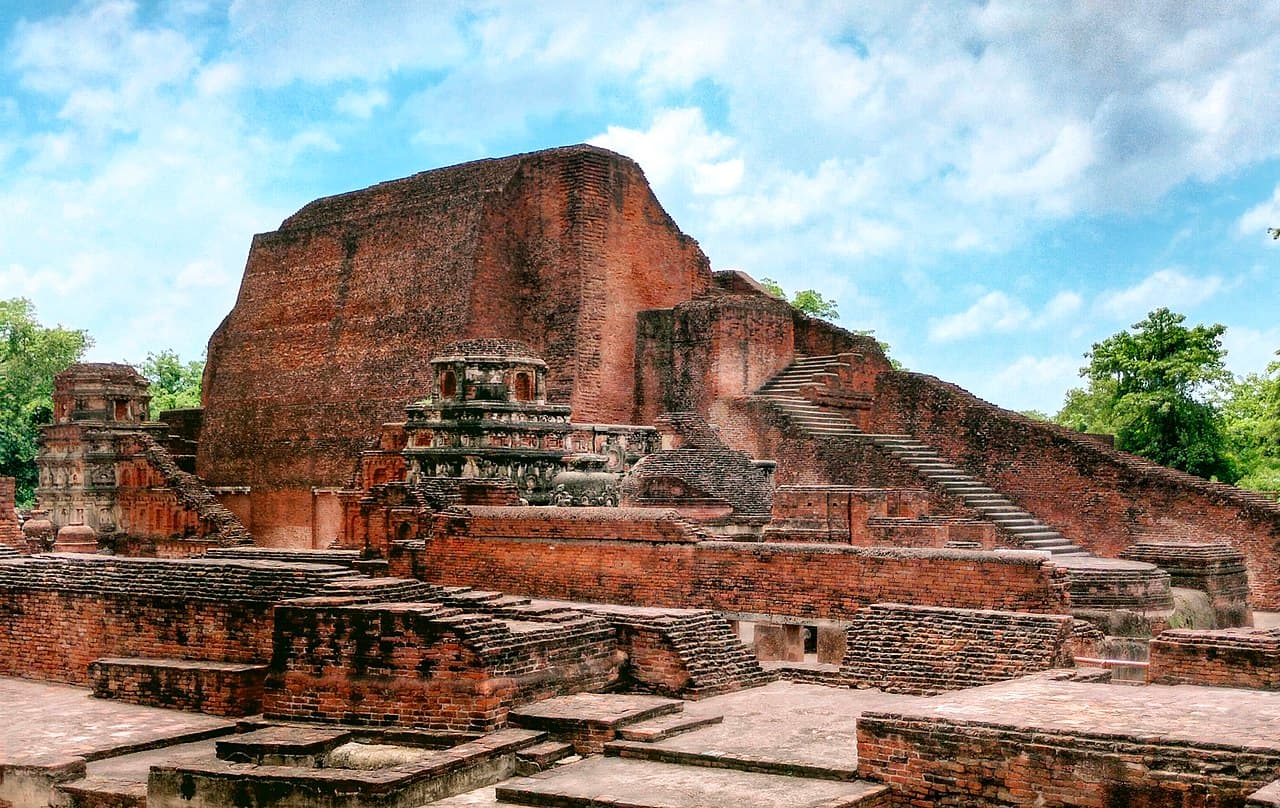
Bihar also holds a unique place in India's democratic and freedom movement history. It is associated with early republican traditions and was the site of Champaran Satyagraha, the first Satyagraha movement led by Mahatma Gandhi in India. Historically, the state has been a center of knowledge, science, art, and culture.